
Transportation in China
Do you need to rent a car?
For most foreign visitors, renting a car is not the best option. Foreign driver’s license cannot be used directly in mainland China; you would need to apply for a temporary Chinese driving permit. Driving in an unfamiliar city can also add unnecessary stress to your trip.
The good news is that you don’t need to rent a car. China is built for car-free travel. Trains, flights, public transportation, and ride-hailing services make it easy to move around.
Traveling between cities
For longer distances, the two main options are domestic flights and high-speed trains.
Domestic flights:
Flying is useful when you’re traveling between major cities that are far apart.
One important tip: check your power bank before taking a domestic flight. It should have a clear 3C certification mark. Since June 2025, power banks without this mark have not been allowed on domestic flights and may be confiscated at airport security.

High-speed trains
Not every city has an airport, so taking the train is often more practical.
China has a highly developed rail network connecting most cities. Traveling by train is a normal part of everyday life here, and is often more convenient than flying.
Train stations are usually closer to city centers than airports, and you don’t need to arrive as early. You can also enjoy the scenery along the way and move around more easily.
One of my American students told me she preferred taking trains in China because the journey itself became part of the travel experience. She had the chance to chat with other passengers, shared snacks with them, and even made friends on the train.
Getting around within cities
Once you’re in the city, you’ll have several convenient options:
Subway: fast, affordable, and usually the easiest way to travel around big cities
Bus: very inexpensive and useful for areas not covered by the subway
Ride-hailing (DiDi): convenient and usually much cheaper than in western cities
Shared bikes: easy to find in many cities and useful for short distances
These services are all available through mini programs inside WeChat or Alipay, so you don’t need a separate app for everything.
For the subway and buses, open Transport in Alipay, select your city and get a QR code. Scan it at the subway gate or when you board the bus.
To book a DiDi, open the mini program inside WeChat or Alipay, enter your destination and wait for the driver to arrive. When you get in, give the driver the last four digits of your phone number to confirm the ride.
For shared bikes, two common options are the blue Hello Bike in Alipay and the green DiDi bike in WeChat. Simply scan the QR code on the bike to unlock it.
For directions, use AMap instead of Google Maps. It’s much more accurate in China. See my list of recommended apps here.
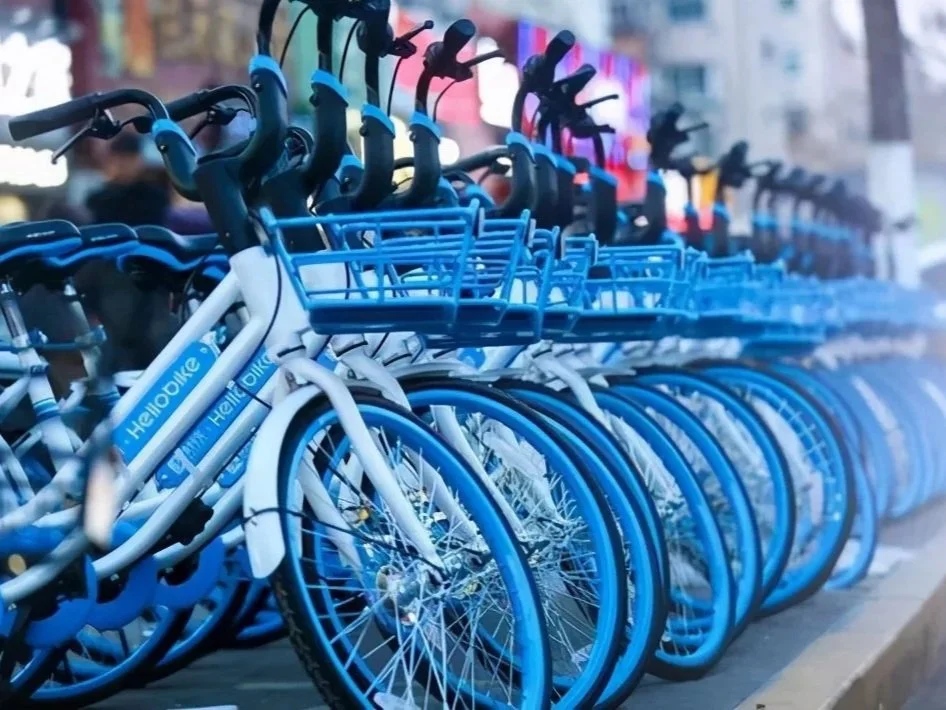
Hello Bike 哈啰单车 (AliPay)
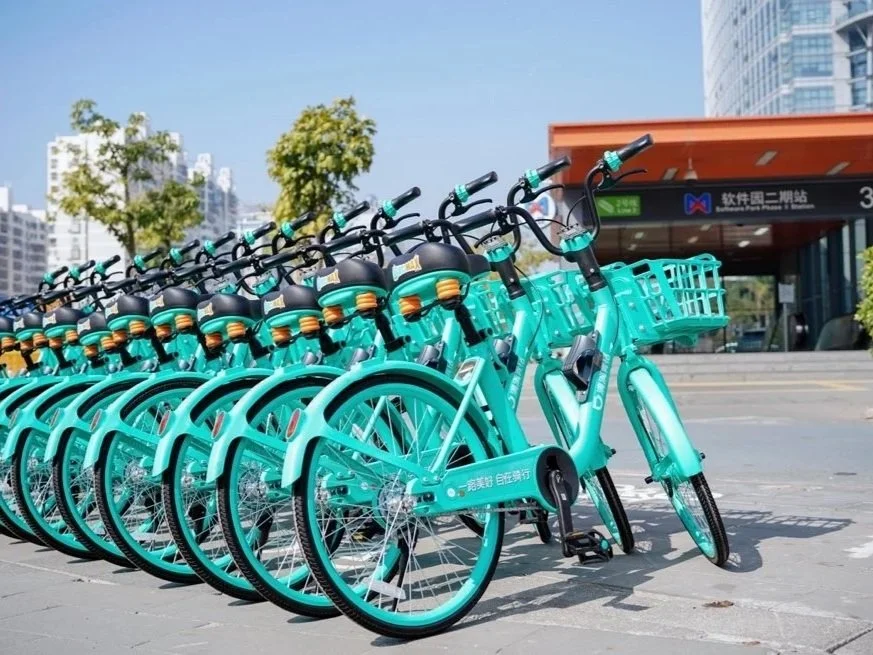
DiDi Bike 滴滴青桔 (WeChat)
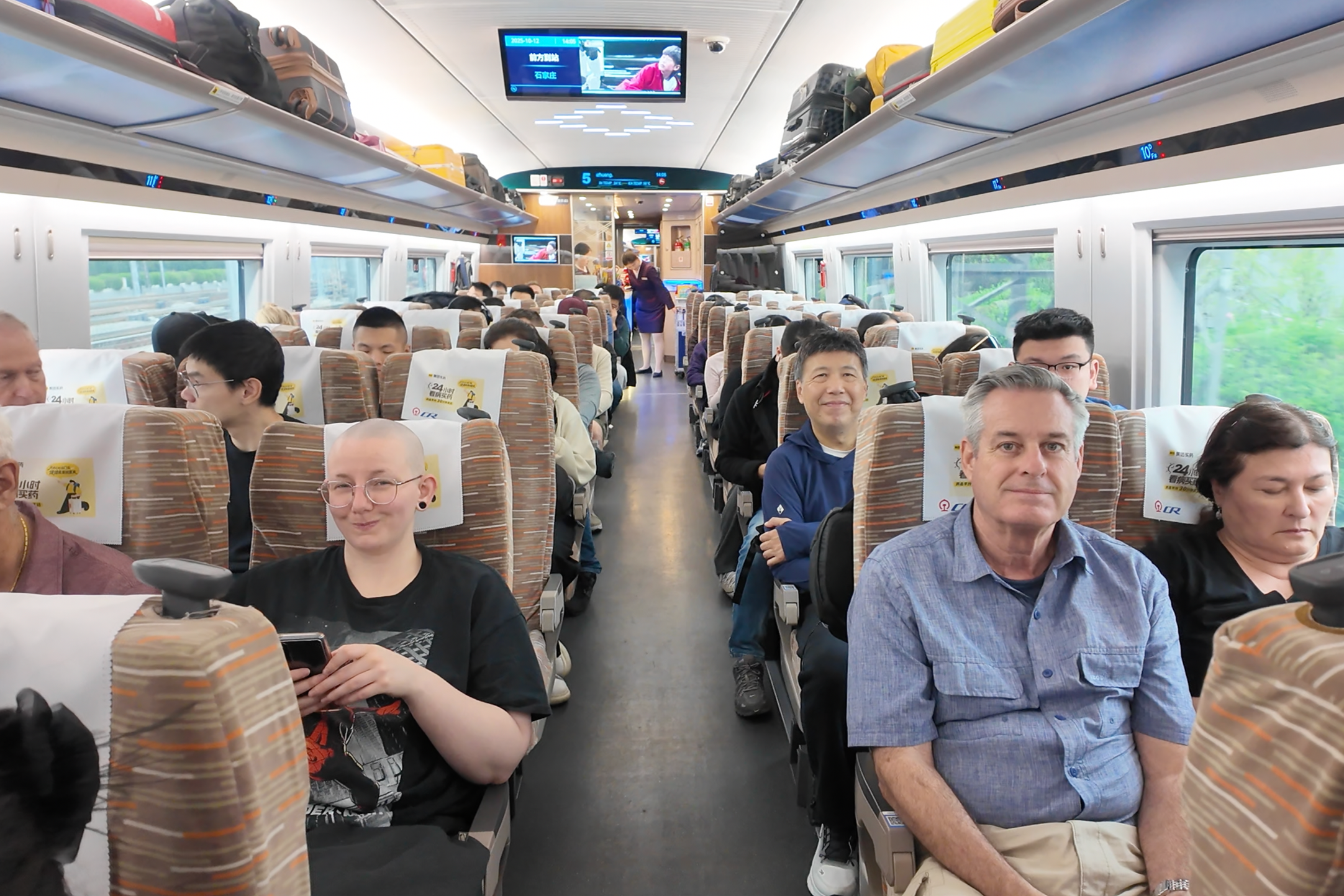
I lead small-group China tours for travelers who want more than just sightseeing.
When you travel with us, transportation within China is arranged for you: airport pickup, private transfers within each city, high-speed trains, and domestic flights. Everything is booked in advance, so you can travel comfortably and focus on enjoying the trip.
Learn some Chinese for your trip
You don’t need to speak Chinese to travel around China, but learning the basics can make the experience more personal and much more fun. Explore my Mandarin courses below and start building a strong foundation before your trip.
More China Travel Resources































Travel to China with Linglong

Hi, I’m Linglong 👋
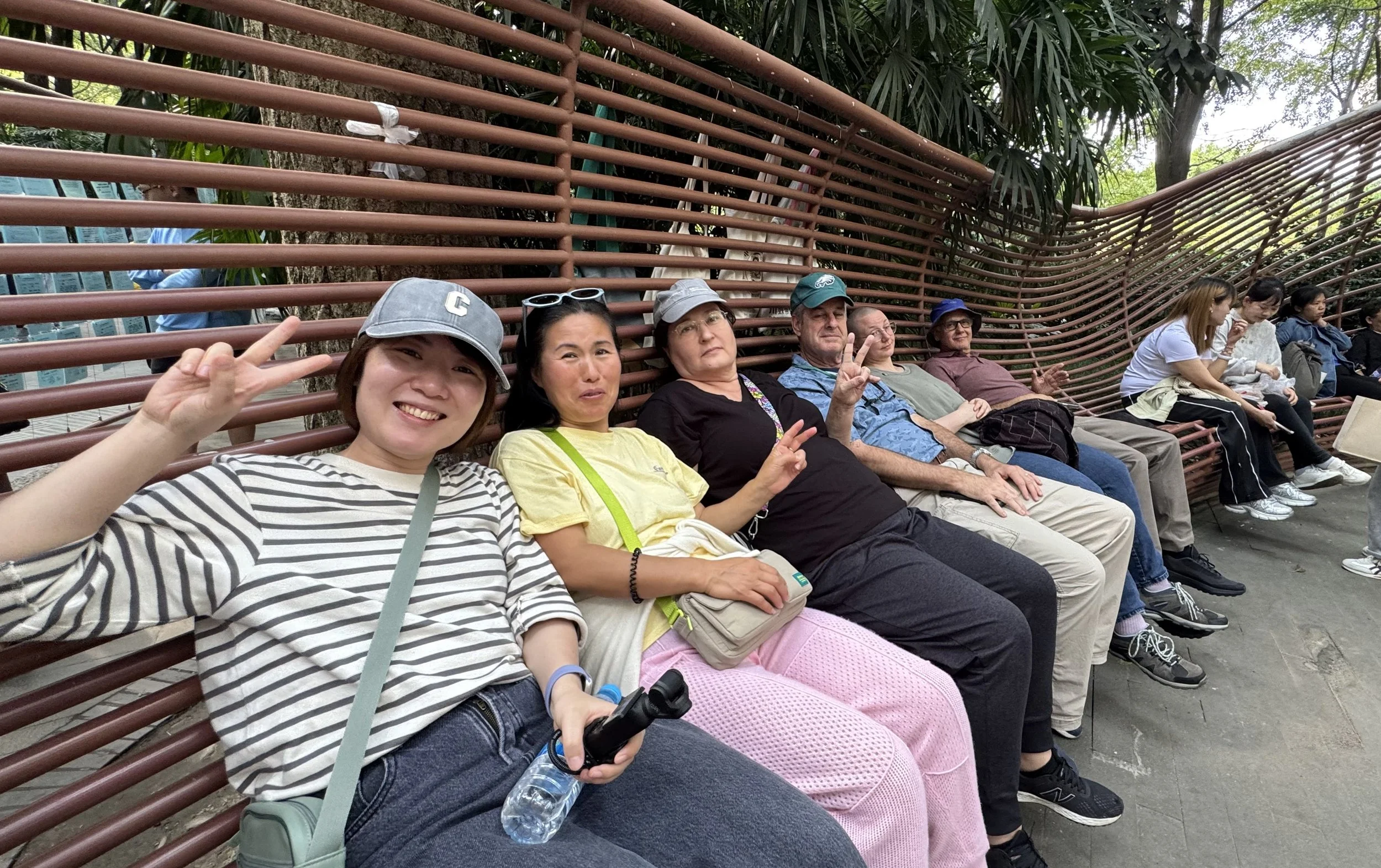
I’ve been teaching Chinese for years and have led small-group tours through China.
Join me on this classic 10-day journey through Beijing, Xi’an, Chengdu, and Shanghai.
I’ll be there with you throughout the trip, not just as a tour leader, but as your Chinese teacher, cultural bridge, and local friend.
Stay Connected for Future China Tours
Be the first to know about new tour dates and get early access — plus Mandarin learning tips and resources! 😉